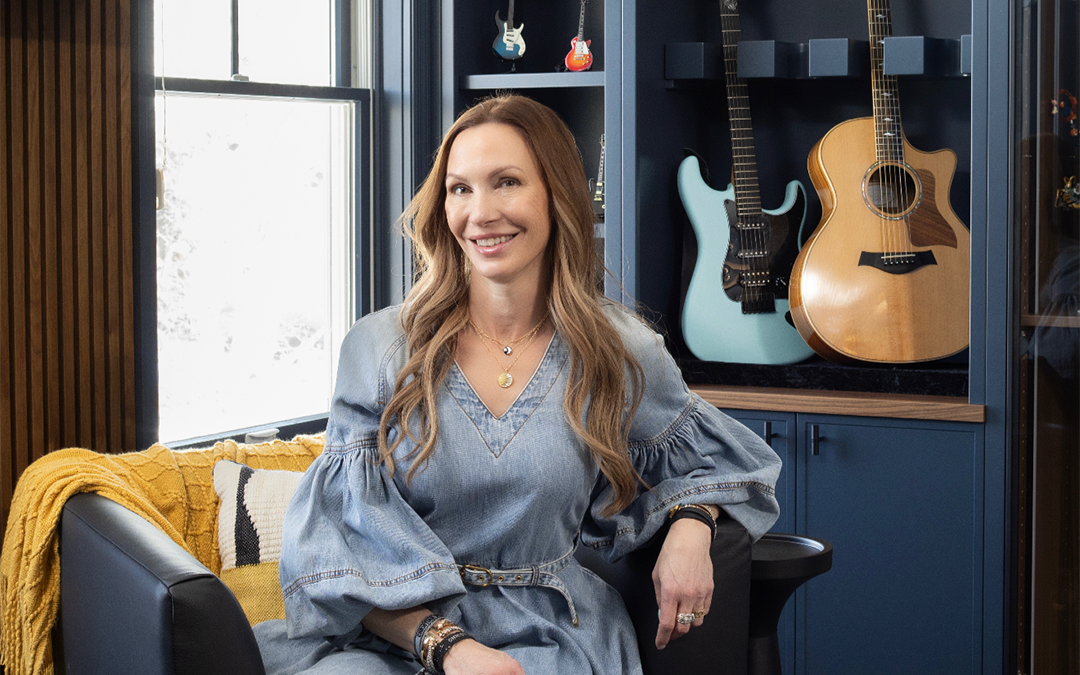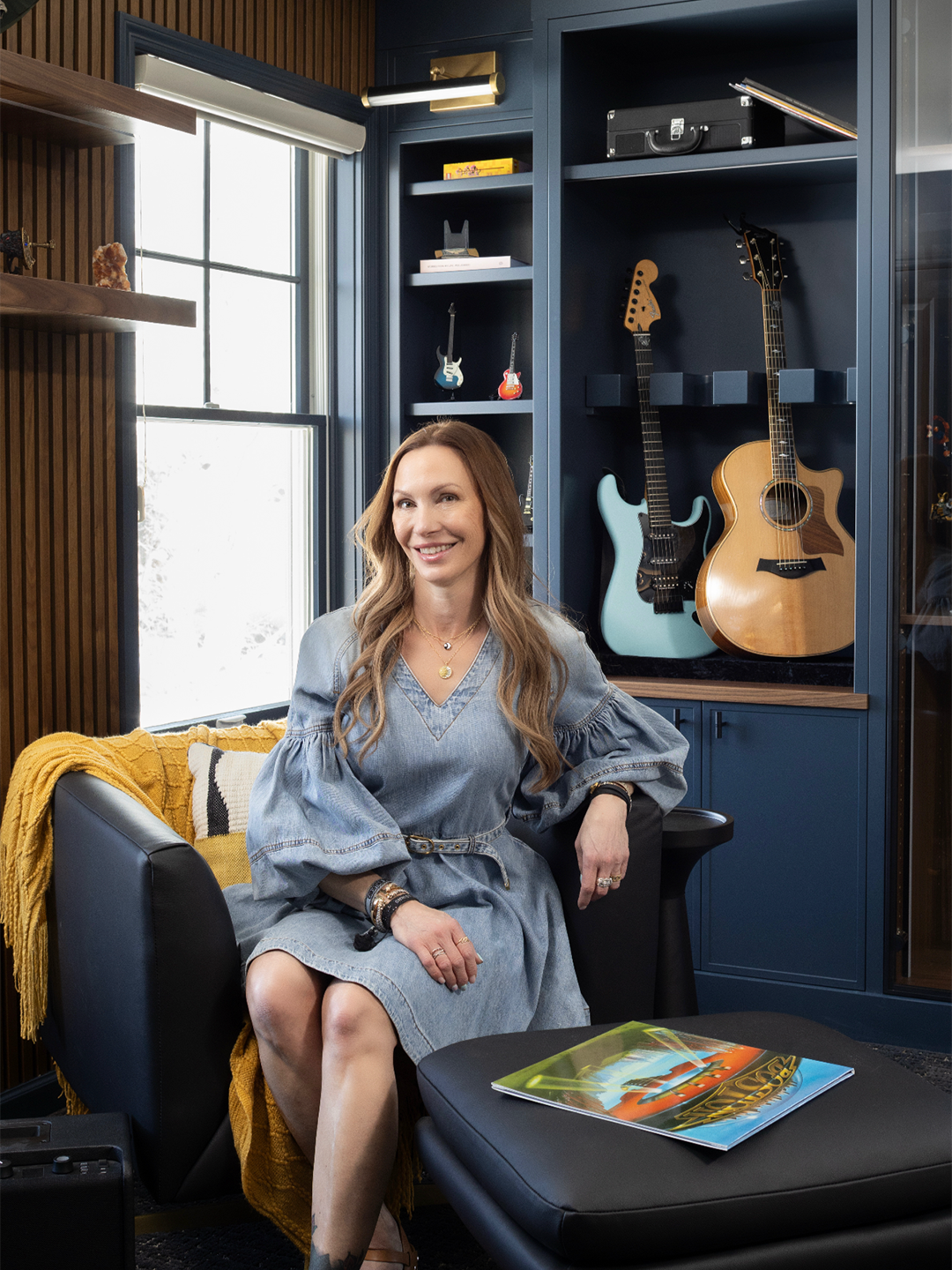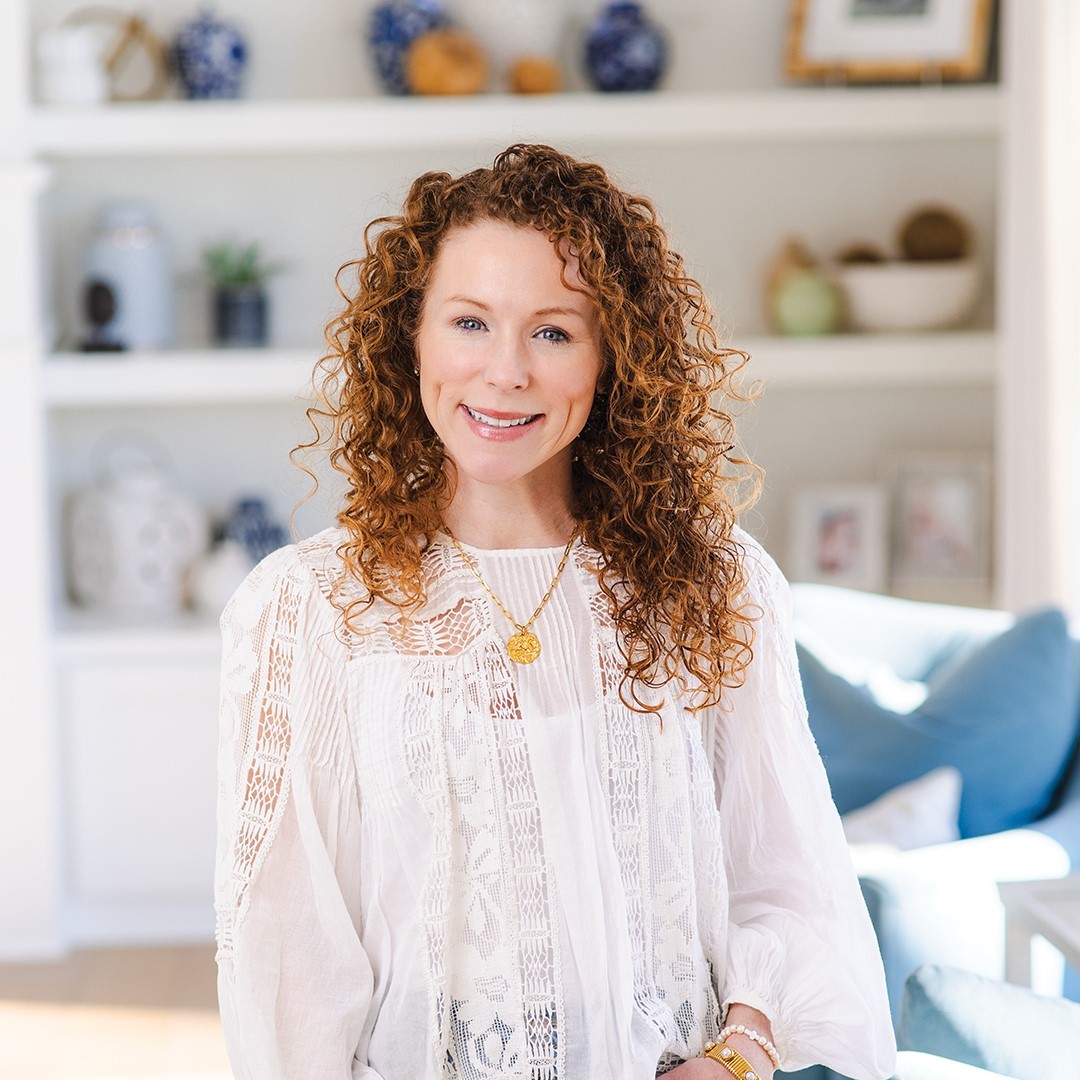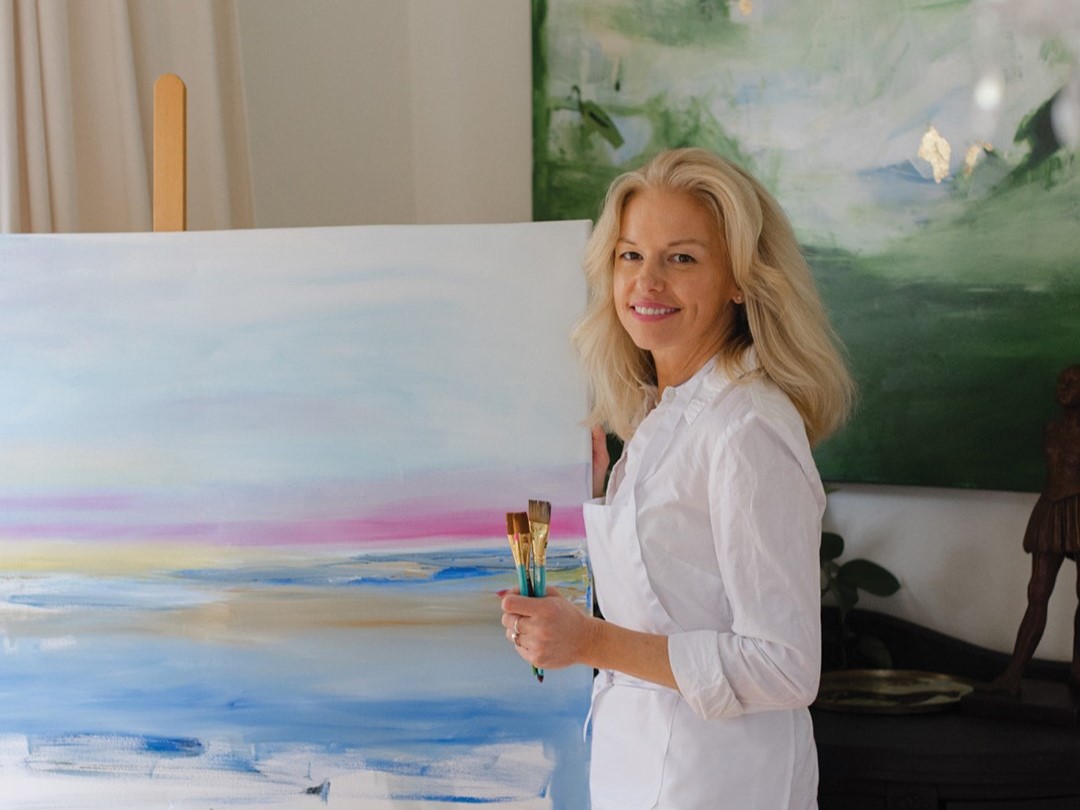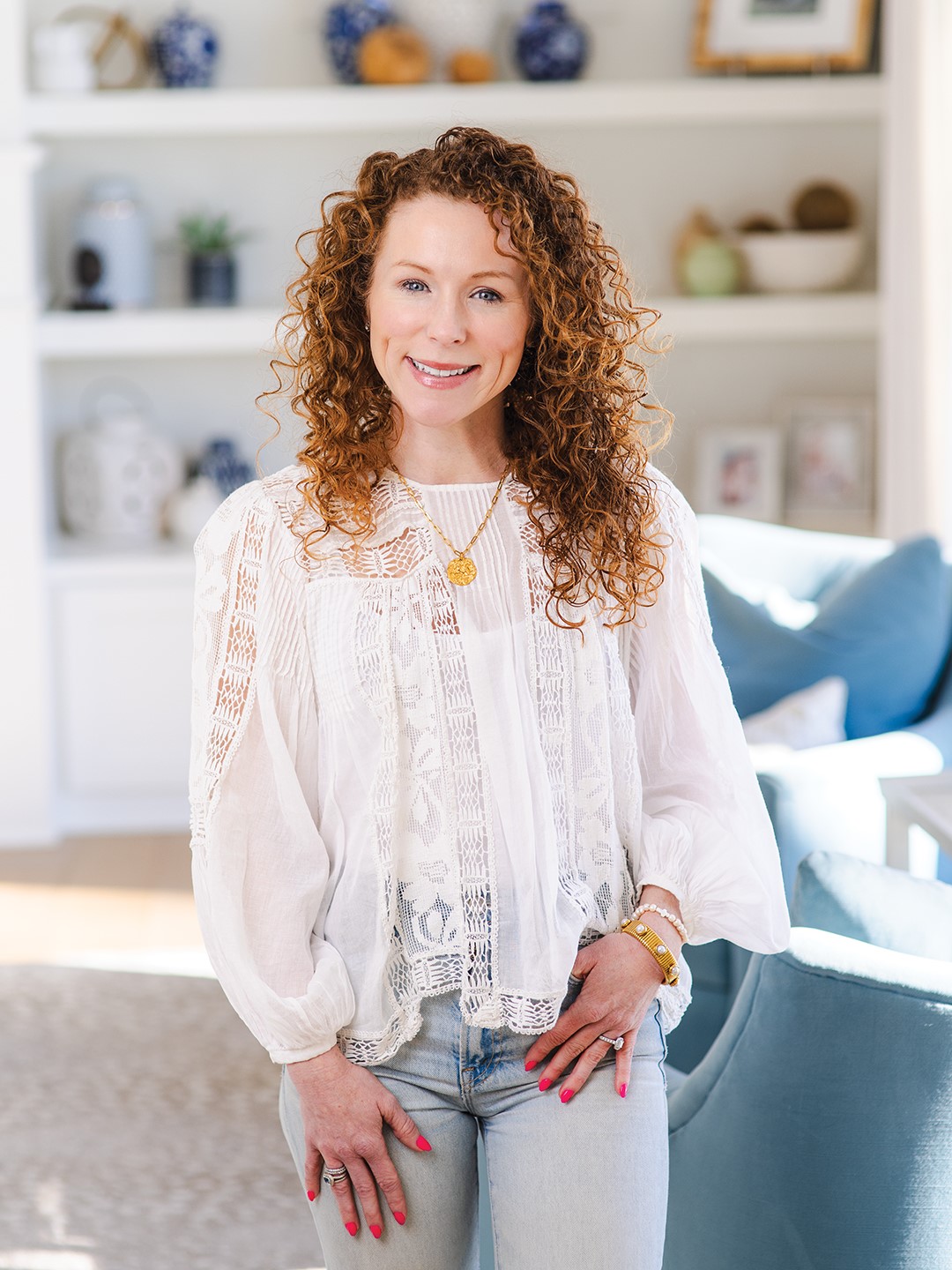
Mara Ryan. Photos: Chris Emeott
When Excelsior author Mara Ryan watched her then-second grader struggle to find a book that felt like it truly belonged to her, something shifted. The moment was small—just an after-school conversation—but it would eventually spark Mara’s debut children’s book, Lucky Dog, crafted specifically with young dyslexic readers in mind.
Mara, whose three girls are now 11, 9 and 5, built a career in corporate marketing, but her life changed direction after she and her husband, Colin Ryan, became parents. Their oldest child was diagnosed with severe food allergies; then, their third daughter arrived early and spent four months in the NICU. Mara realized she wanted to support other families like theirs in dealing with their children’s medical needs. “I took a leave of absence from my employer and kind of reevaluated things,” Mara says. She joined the Children’s Minnesota hospital board and began focusing more on advocacy and philanthropy.
In recent years, the family received neurodiversity diagnoses, including dyslexia—one that hit home the day her then-second grader came to Mara. “She was just deflated. It was the first time she realized her reading ability was different than that of her peers,” she says. Her daughter also noticed that the books being suggested for her reading level had content and designs that were meant for much younger kids; they felt “babyish.”
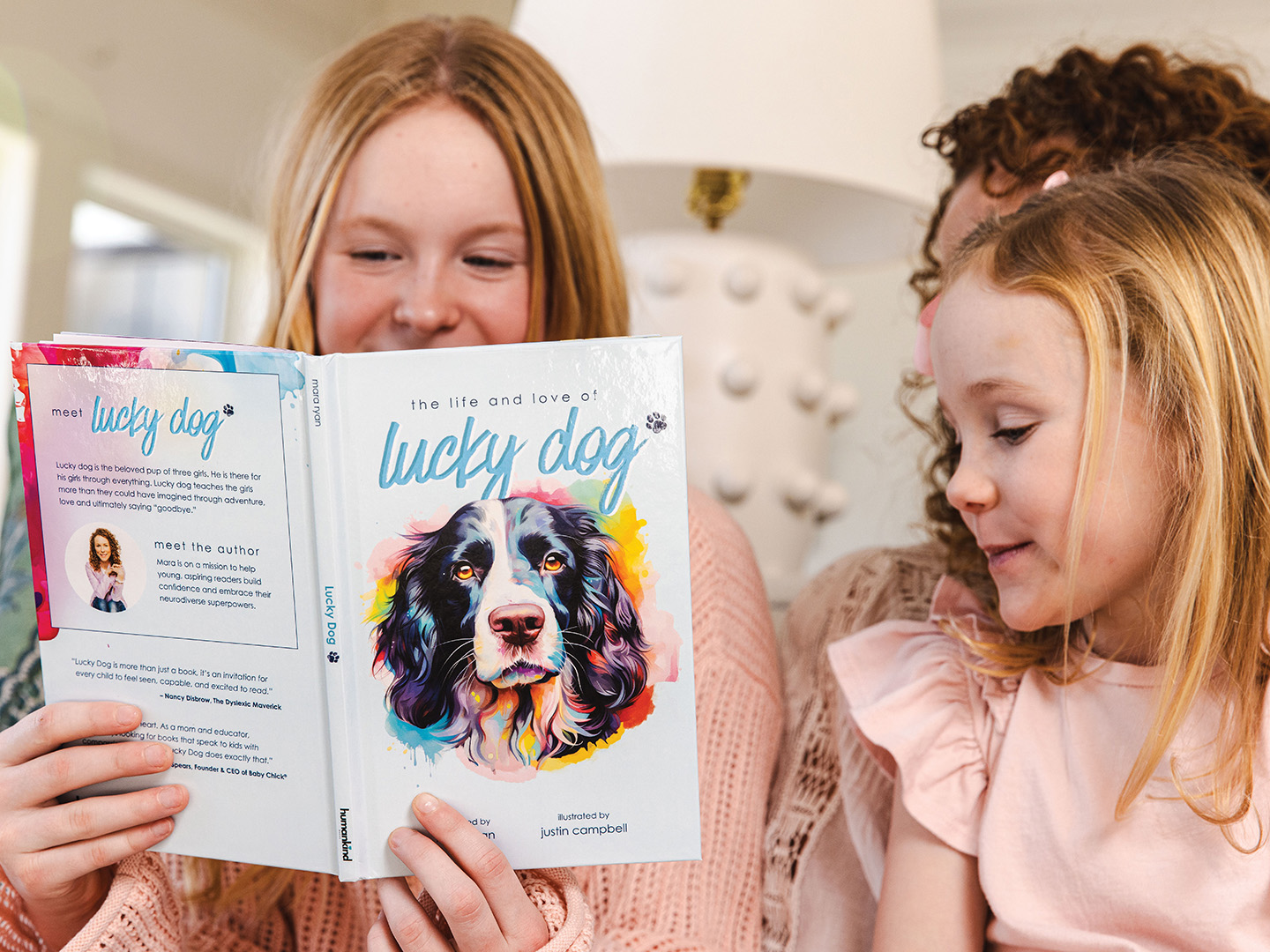
Excelsior author Mara Ryan was inspired to pen Lucky Dog, which is available at humankind-books.com. The book was written with young dyslexic readers in mind.
“I pulled up my computer, [thinking], I’m just going to buy as many books as I can find on Amazon … She should feel that she belongs,” Mara says. But the books didn’t exist—or at least, not the ones she knew her daughter needed: stories at her reading level with illustrations and themes that felt appropriately “second grade,” not preschool.
Mara was determined to help. She teamed up with illustrator Justin Campbell, who also works in a pediatric mental health setting and understood the need. Their first collaboration, Lucky Dog, is a decodable easy reader that features evidence-based, dyslexia-friendly design. Mara consulted dyslexia experts to ensure the book was accessible in ways many early readers are not. For example, a traditional stark-white page with black text can create visual stress for the reader and can even cause words to seem to move. “Colored overlays are super helpful, so the pages in this book are soft baby blue with black letters to help reduce that visual stress,” Mara says. The font is a large sans serif and features extra spacing between words, lines and paragraphs.
Campbell’s illustrations, which help bring to life the story of Lucky the dog and the humans who love him, are vibrant but not cartoonish. Mara says they include enough detail to help less confident readers easily follow the story, even if there are some new vocabulary words that need more context.
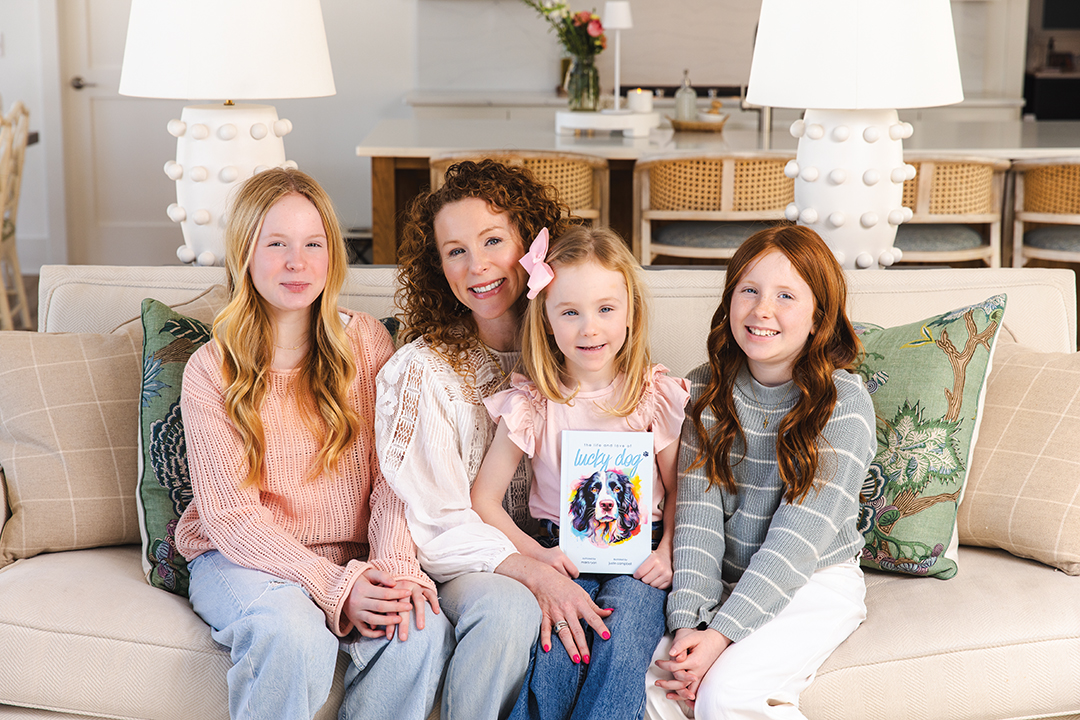
Mara Ryan and her children happily showcase her debut book.
When Lucky Dog launched in September, it sold out on Amazon for its first printing from HumanKind, the publishing and resource entity Mara founded to support the book and her advocacy efforts. Mara’s first reading was at Children’s Minnesota Hospital—an emotional milestone—and October’s Dyslexia Awareness Month brought a wave of local press attention.
But beyond the book itself, Mara hopes to spark something broader: conversations, community and confidence for neurodivergent kids and their families. “I created a resource page [on my website] because that’s what I’m most passionate about as a mom—making sure other families and children don’t feel alone in this. I want them to be proud of their differences and superpowers … there are so many amazing things that come with dyslexia,” she says.
Mara wants families to talk openly and without stigma about neurodiversity and says having inclusive books in a home library is a step in the right direction. “I think our kids are going to benefit so much if we have these conversations at home,” she says. “The more accepting and inclusive we can be, the better off they’re going to be in the world.” There is hope to expand on Lucky’s story with additional books and to welcome new kids into a reading world that’s designed for them.
HumanKind
Instagram: @humankindbooks