Photo: Minnesota Landscape Arboretum
A horticulturist shares ideas for cultivating a cutting garden that produces beautiful blooms—outdoors and in.
April showers bring May flowers along with excitement for a new season of vibrant gardens. There’s truly nothing quite like nurturing a flower garden that not only looks stunning outdoors but also brings joy and beauty inside through fresh cut bouquets.
We consulted expert horticulturist Duane Otto at the Minnesota Landscape Arboretum to learn how to create the perfect cutting garden.
What is a cutting garden?
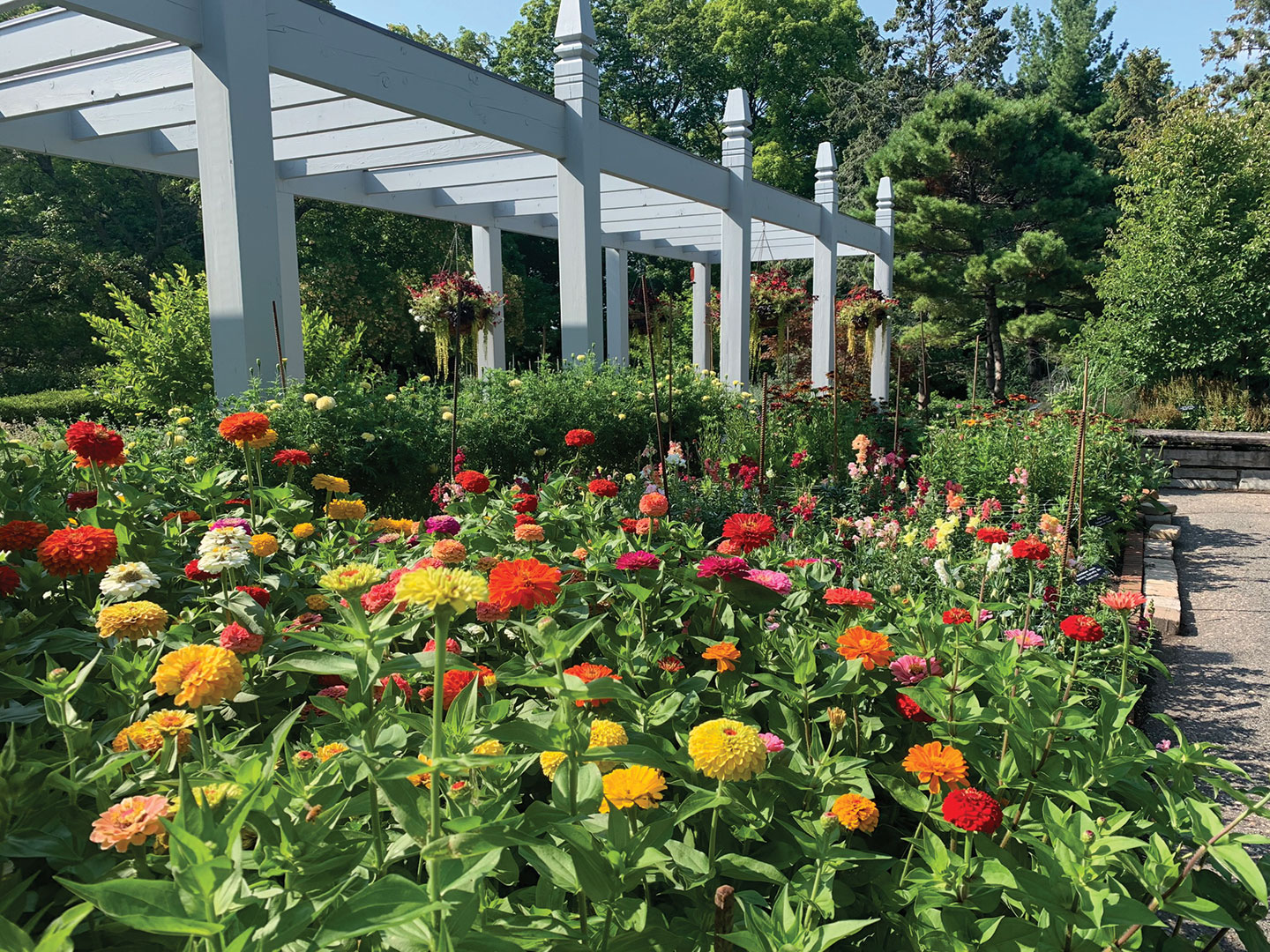
“You can designate an area where you grow special flowers that are grown specifically for cutting [and using in displays],” Otto says. Many gardeners enjoy cutting flowers from any part of their yard, but having a designated space helps to create a steady supply for bouquets all season.
Is it best to use annuals, perennials or a mix?
Otto recommends using a mix. Annuals, like snapdragons and zinnias, bloom all season long and produce continuous blooms. Perennials, like peonies and roses, come back year after year and are reliable bloomers. A mixture of annuals and perennials can offer a steady, vibrant collection of blooms.
What types of flowers are best to use?
“Usually, flowers that you want to cut from need to have longer stems,” Otto says. “There are many great cutting flowers, like gladiolas, zinnias, celosia and snapdragons.” Other annual flowers that are a great fit are amaranth, cosmos, marigolds and sunflowers, and consider perennials coneflowers, phlox, salvia and yarrow.
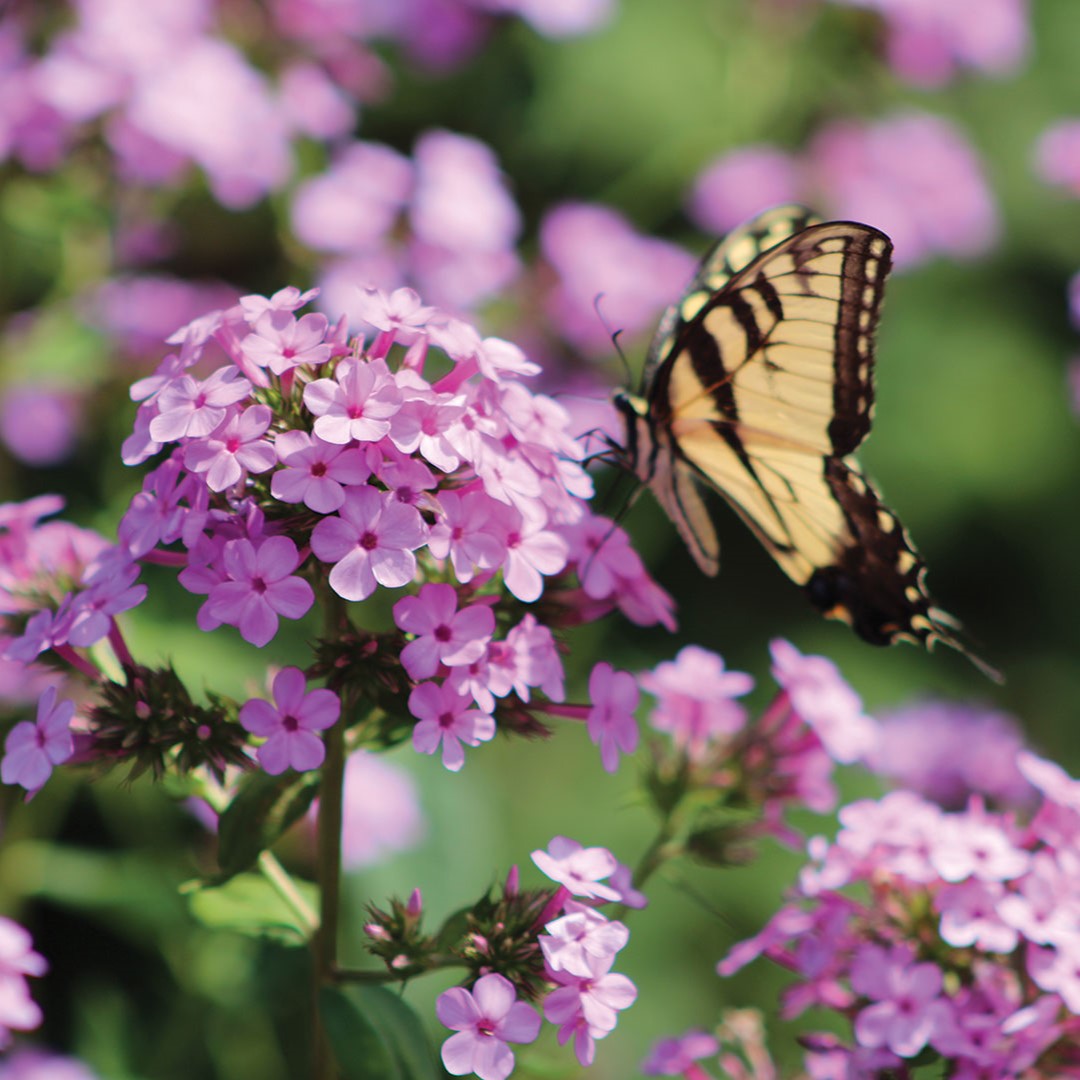
Minnesota Landscape Arboretum’s Duane Otto, expert horticulturist, recommends planting long-stemmed flowers in cutting gardens. Zinnias and phlox are among them. Photo: Lily Smith
If using seeds, is succession planting useful?
“Some flowers, like sunflowers, bloom, and then they’re just done,” Otto says. “You want to have some planted for each part of the season: early to mid-summer and late summer to fall. You could do three rounds. Sunflowers are one you’ll want to stagger like that. Another example is gladiolas; plant some early, some midseason and some late, so you have blooms all summer, since they don’t regenerate after cutting.”
Is there a special technique for cutting flowers to keep the plants healthy and encourage more blooms?
“It’s very important to keep cutting your flowers because that keeps them regenerating new flowers,” Otto says. “Never let any flowers go to seed. If we keep cutting them, they keep producing more, since they need to produce seed, and they will continue doing so until it gets cold or they die off.”
Is there a special cutting technique, and what’s the best way to extend the longevity of cut flowers?
“You usually want to cut them in the morning when they’re fully hydrated,” Otto says. “Cut at an angle with a knife, so you don’t crush the stems.” Additionally, he advises hardening off (acclimating) the cut flowers to the indoors at room temperature or in a cool spot.
What are three tips for arranging cut flowers in a vase?
Otto recommends having taller, upright flowers in the center of an arrangement. From there, build around those pillar flowers with medium-height flowers. If desired, add greenery or materials that drape over the vessel. “I would also say just be creative and daring, and most importantly, have fun,” he says.
Minnesota Landscape Arboretum
Instagram: @mn_arboretum