Photos: Alan Bergo
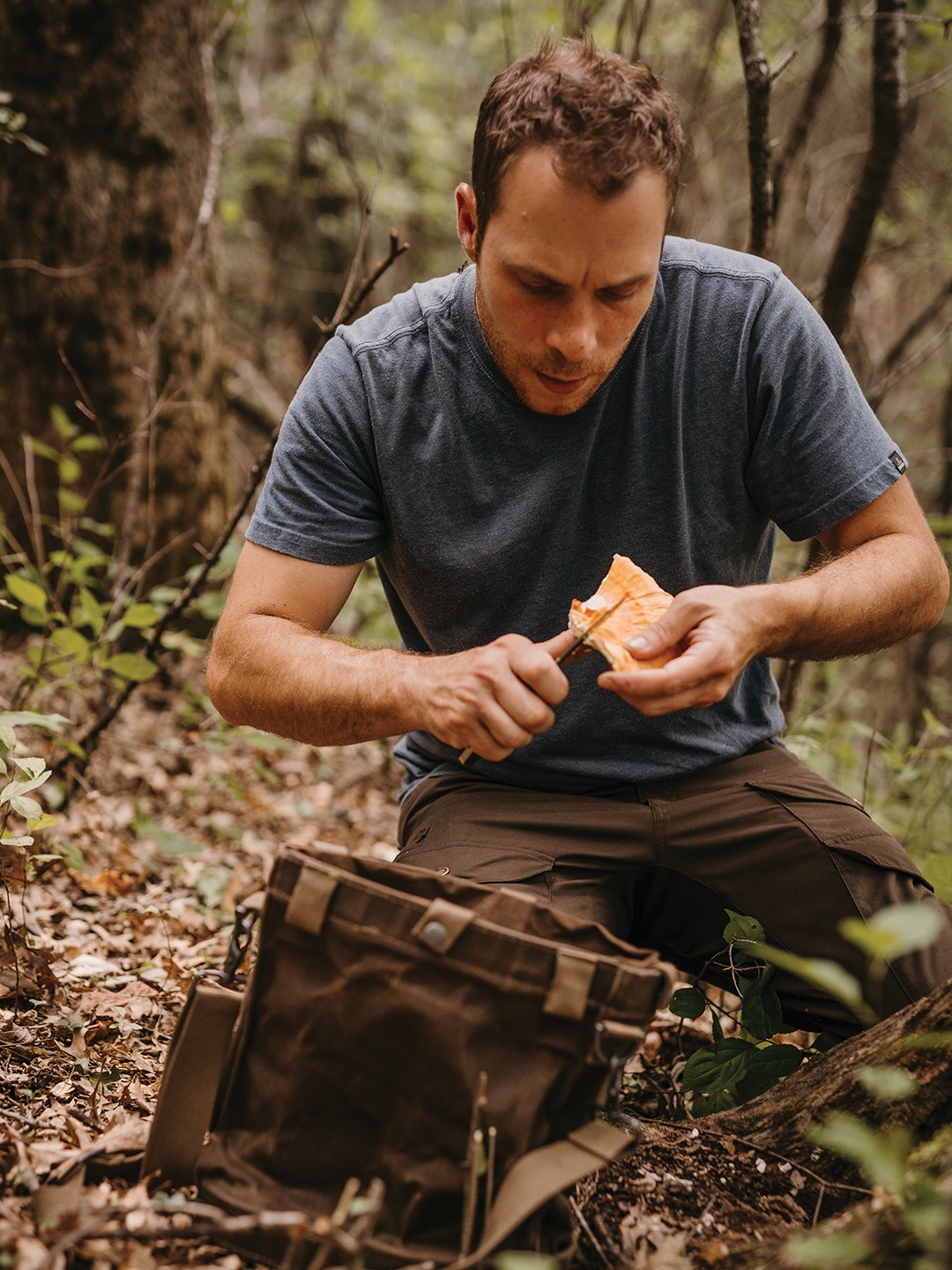
Alan Bergo didn’t set out to become a nationally known foraging expert—he just loved food and great ingredients. During his junior year at Wayzata High School, Bergo worked as a busboy at Wayzata’s Portofino (now closed) and nurtured an early love of cooking even during business school at Hamline University, working full time in a kitchen and logging experience.
Bergo worked his way around Twin Cities kitchens and was mentored by farm-to-table pioneer Lenny Russo, introducing him to wild mushrooms, plants and fruits. One day, while playing disc golf, Bergo stumbled upon a mushroom that he’d put on the restaurant menu the previous day. “A light went on,” he says. “I understood that these ingredients were right here. We paid more for nettles than any kind of heirloom lettuce. We paid more for wild mushrooms than any kind of meat. Finding something special was so exciting.”
Bergo continued learning and launched foragerchef.com, sending out a weekly email newsletter for 13 years. During COVID-19, he appeared on the 2022 James Beard Award-winning The Wild Harvest, won his episode of Hulu’s Chefs vs. Wild and started working in earnest on his book. “I will always be a chef,” Bergo says, “But now, I’ll also give a speech about foraging or work on a TV series and pursue whatever creative stuff I can.”
Meet the Mushrooms
Alan Bergo offers a primer on a few common local delicacies.
Golden Chanterelle
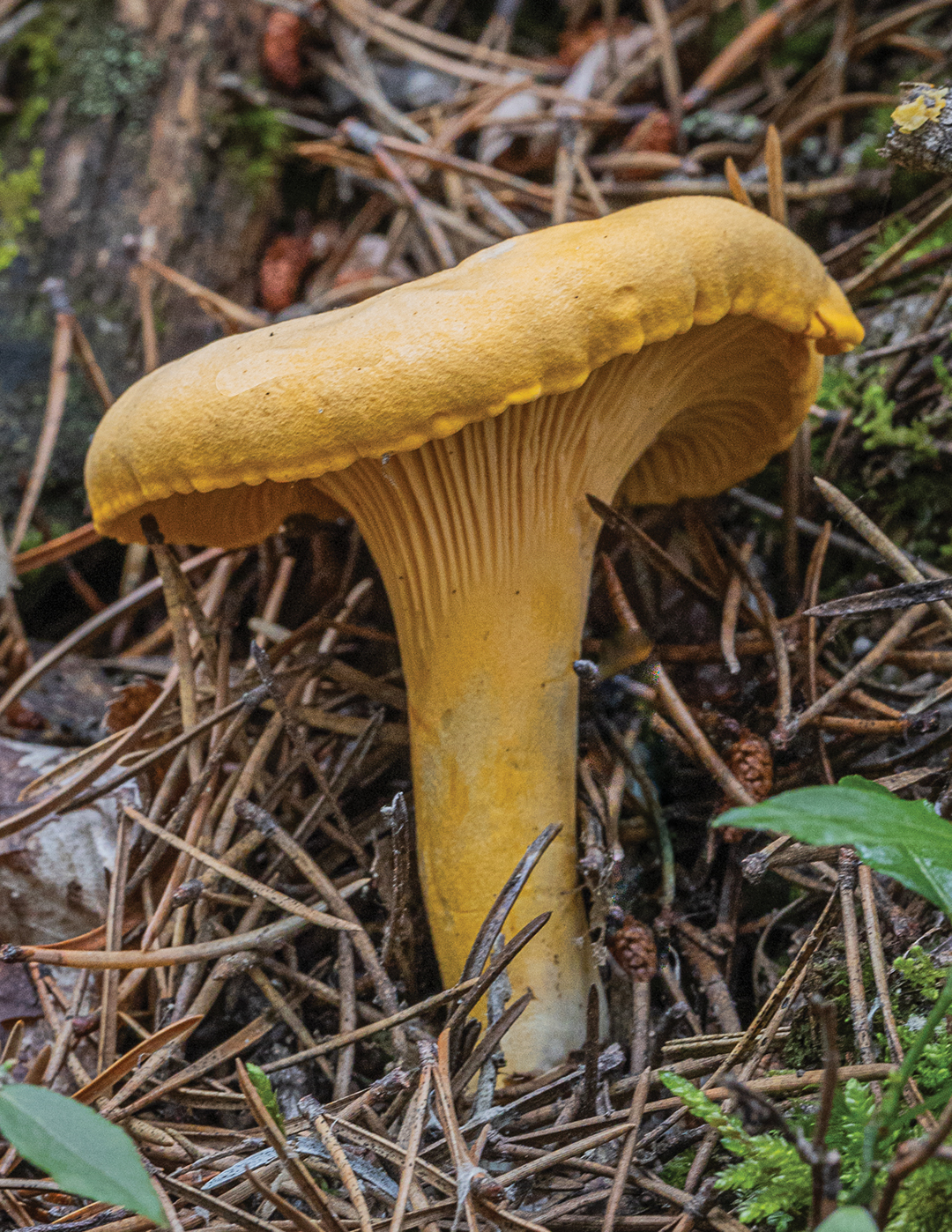
“Chants” have a fruity aroma like fresh apricots and are a distinct egg-yolk yellow. They grow symbiotically with oak trees in the summer, starting around mid-July through October. Look-alike to know: The poisonous Jack-o’-Lantern is pumpkin orange, lacks a fruity aroma and grows in dense clusters while chanterelles appear as single mushrooms.
Hen of the Woods

One of the best (and most delicious) mushrooms for new foragers to discover, they grow at the base of oak trees in the fall. They’re always gray or brown and can look like a large bird roosting. These can be 10 pounds (or more!) and have a few look-alikes that are all edible.
Morel

Minnesota’s state mushroom has one of the shortest seasons—just two to three weeks in May. Morels grow in disturbed areas where trees have been struck by lightning, fires, floods or disease. Find them with elm, ash and young aspen trees. Look-alikes to know: Gyromitra and Verpa species are filled with a cottony pith on the inside. Half-free (or “early”) morels are edible but have a longer, thinner stem and appear a week or two before typical morels.
Pheasant Back (Dryad Saddle)
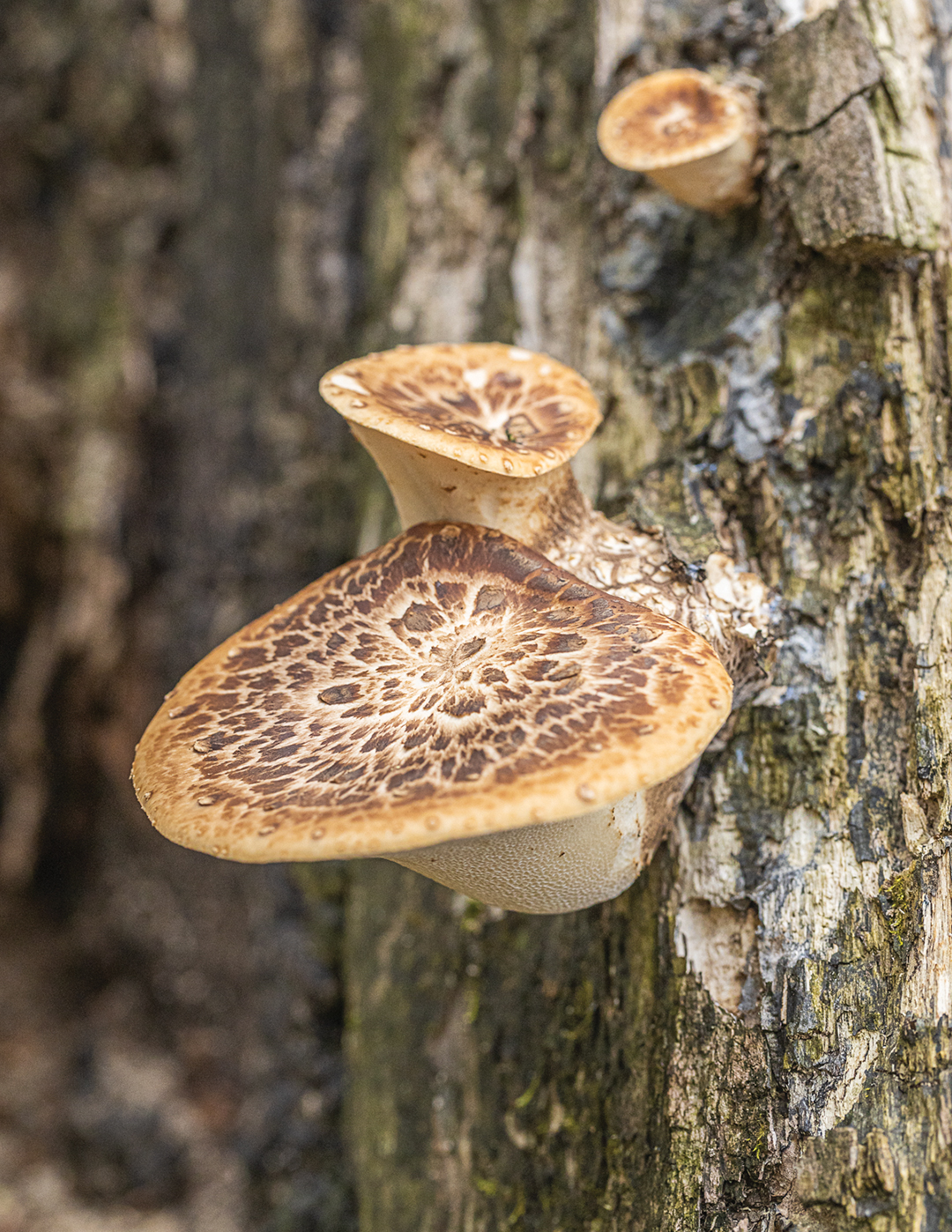
Growing on dead elms and box elders, these are “shelf” mushrooms with a brown, feathered pattern on their caps. They have a distinct cucumber, melon-rind aroma. Only harvest young mushrooms: The pores underneath the cap should come off easily when scratched. Look-alikes are edible, but none have the cucumber aroma or feathered pattern.