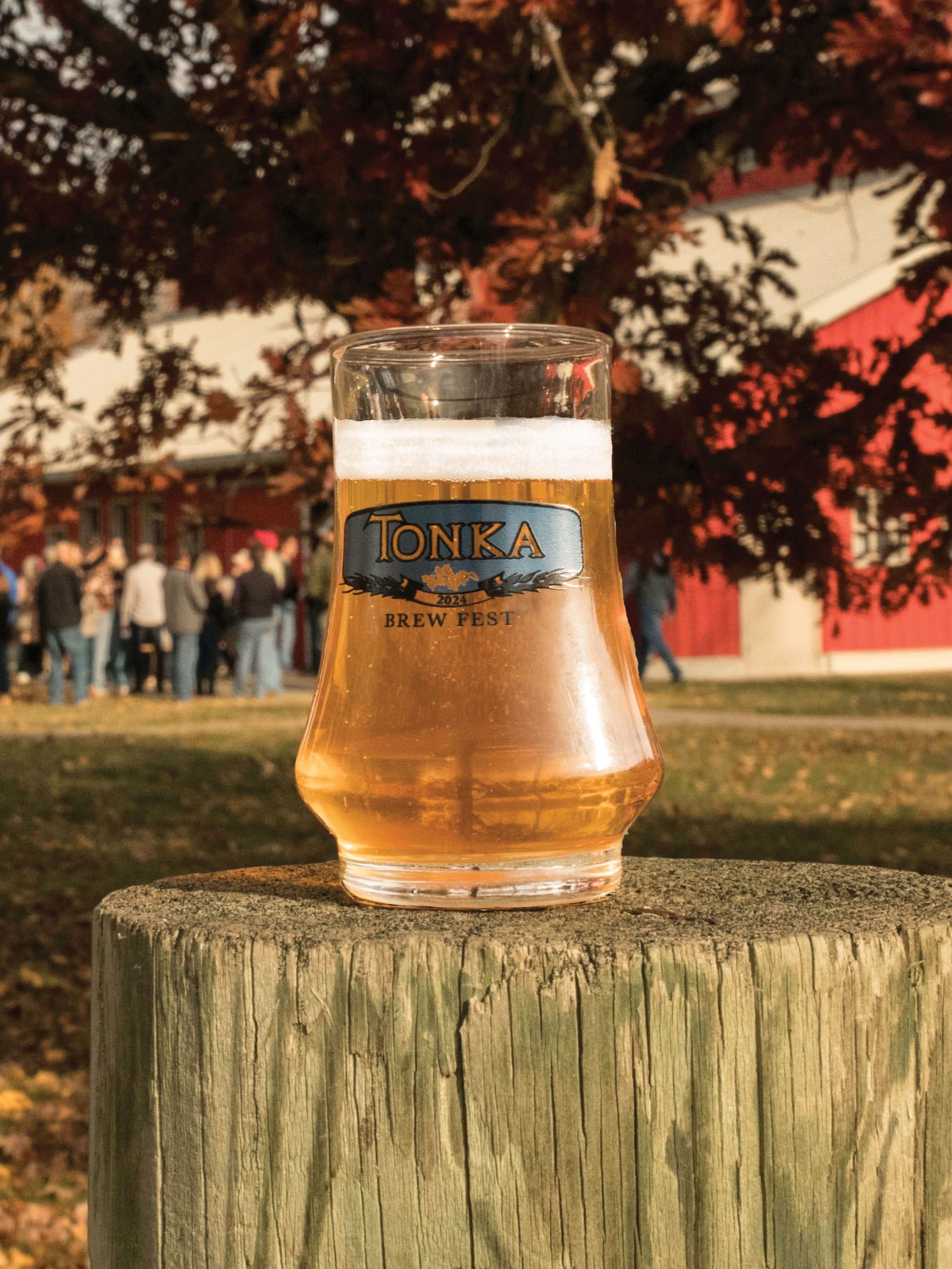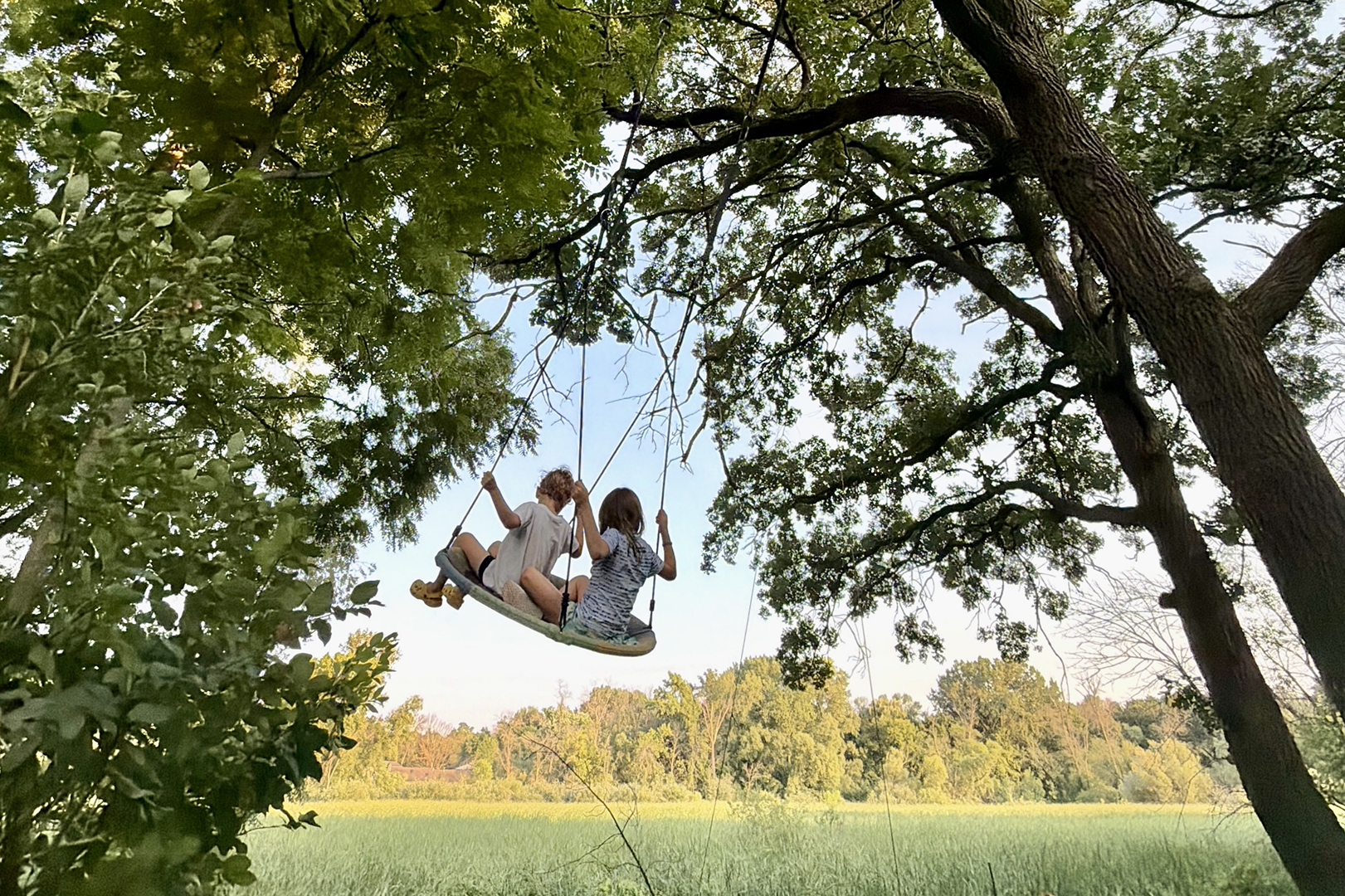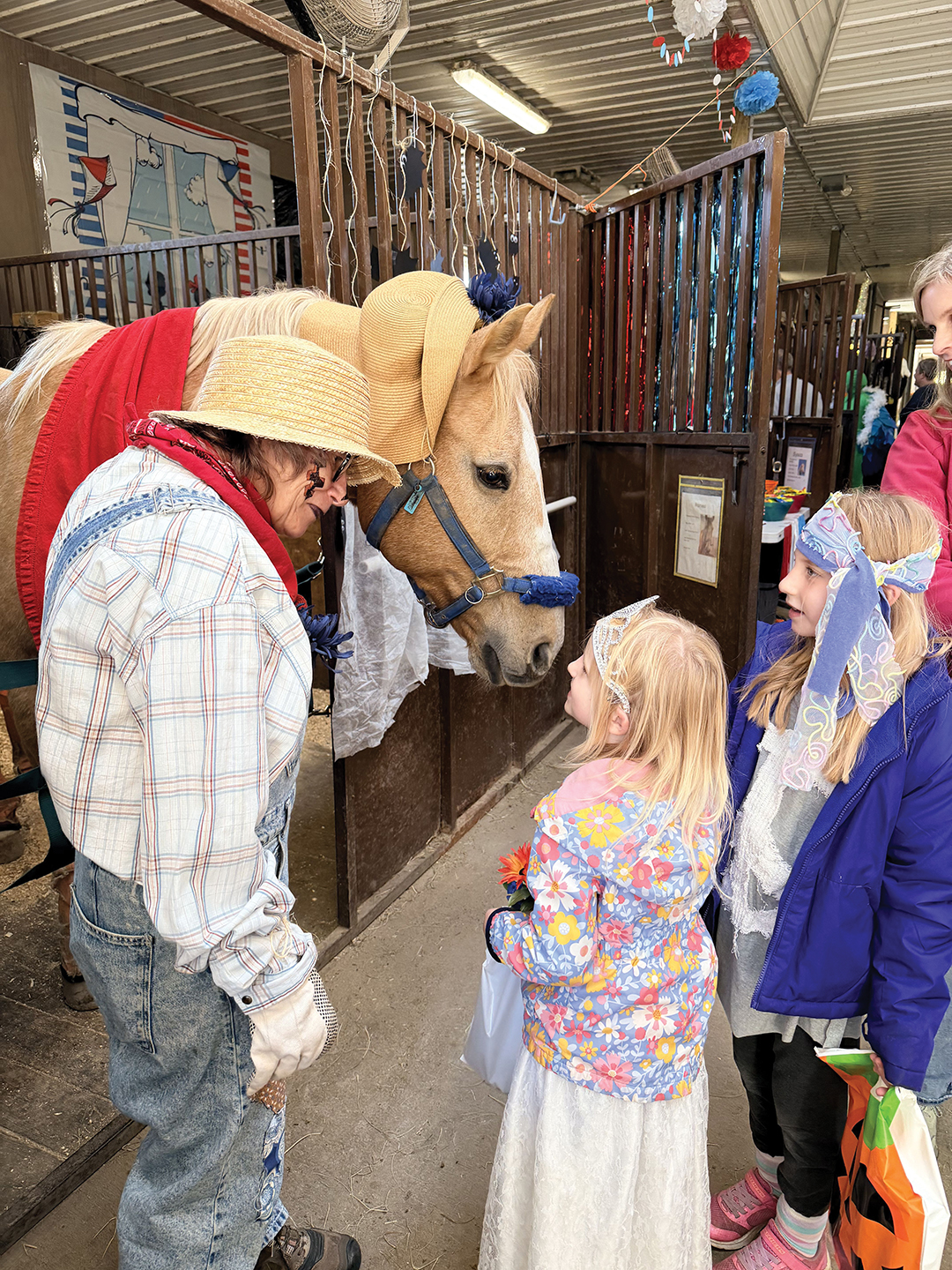
We Can Ride offers an accessible Halloween open house, including carnival games, food and hayrides. Photos: Lissa Ingaldson
Halloween fun meets inclusion at We Can Ride’s annual event.
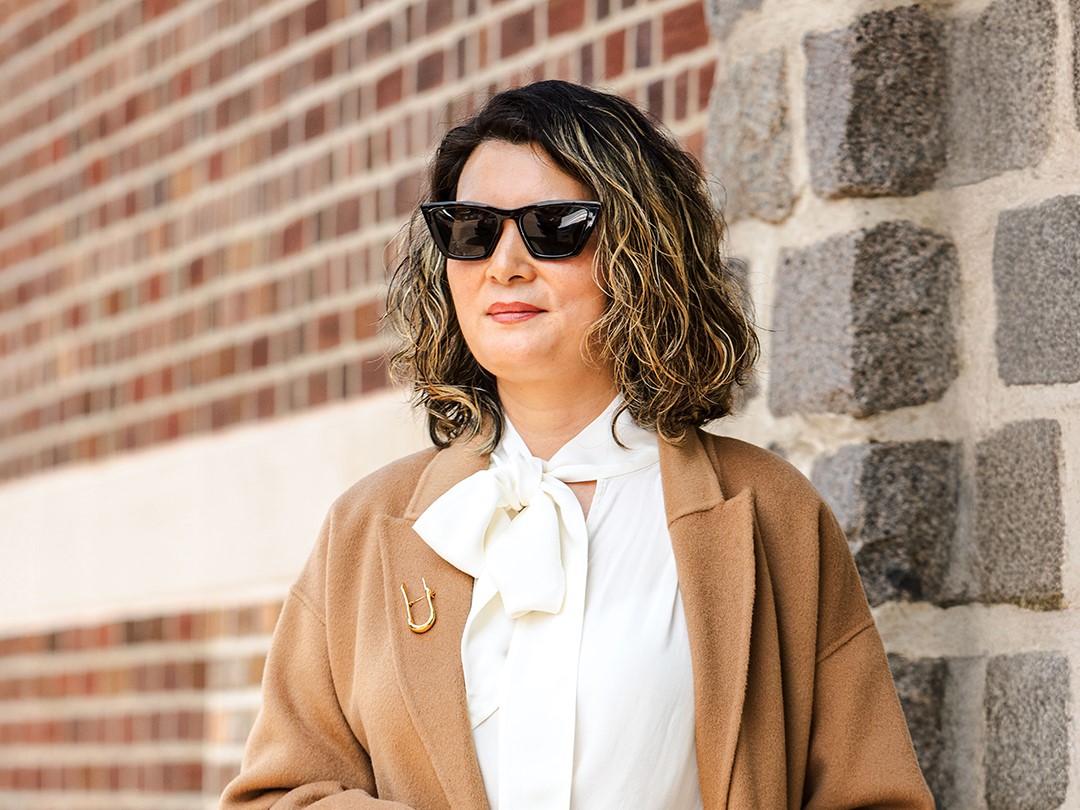
“Disability can be very isolating,” says Laura Schmieg, engagement and communications manager at the equine therapy nonprofit in Medina, We Can Ride. “Families sometimes are reluctant to go out and participate in community events because they’re afraid of judgment or expectation.”
This year marks We Can Ride’s fourth annual Trick or Trot, an event designed to be accessible to individuals of all ages and abilities. From 2–5 p.m. October 17, the barn will host a Halloween-themed open house. Participants are encouraged to come in costume for trick-or-treating, moving from stall to stall to visit horses—that will also be dressed up. The event will include carnival games, food and hayrides.
“Maybe you have a family member [who] you feel like could benefit from our programming. Maybe you’re looking for a place to volunteer,” Schmieg says. “We would love for people to come out and meet us and learn a little bit about what we do.”
We Can Ride is the largest and longest running therapeutic riding nonprofit in Minnesota, serving clients with disabilities of all ages through occupational, physical and speech therapy while also teaching adaptive riding skills. Since a horse’s movements closely mirror the walking gait of a person, they make a valuable therapeutic tool.
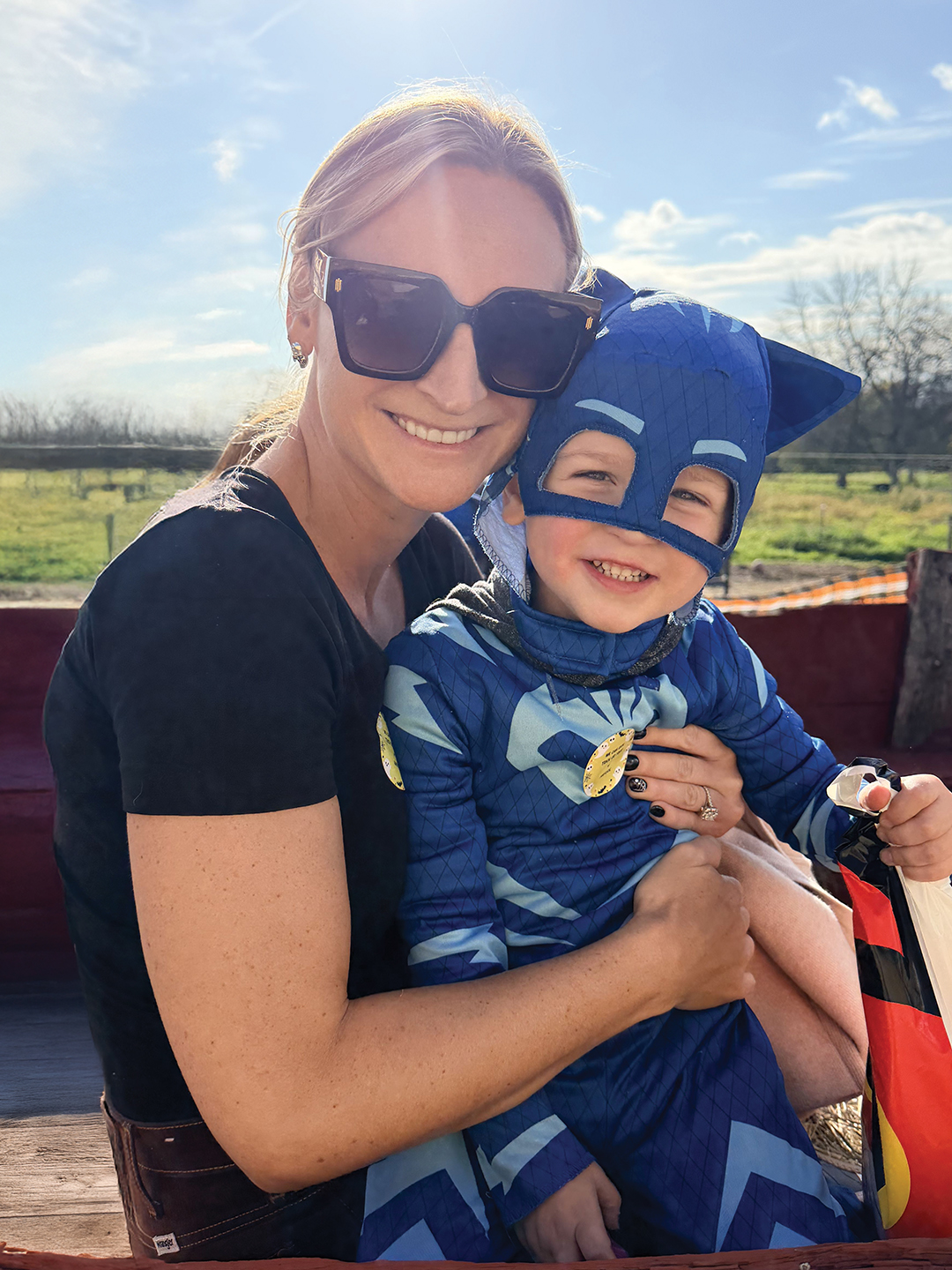
Happiness is the order of the day at We Can Ride’s annual event.
Many clients at We Can Ride are diagnosed with autism and time spent around horses offers opportunities for social interaction in a low-stress environment. “We’ve had clients take their first steps. We’ve had clients say their first words,” Schmieg says. Beyond the physical benefits, the program also gives clients a chance to be active and spend time outdoors.
Each rider is supported by a team of staff and volunteers long before they get in the saddle. Certified therapeutic riding instructors work alongside occupational, physical and speech therapists, as well as “side walkers,” who walk beside riders during sessions. Schmieg says We Can Ride is a tight-knit community, with many riders working with the same staff and volunteers for years and forming relationships that last well beyond the barn.
For one teenage rider, Trick or Trot has become a highlight of the year. Confident in the barn environment and proud of the skills she’s developed as a rider, she now invites a group of her friends to attend the event each fall. “She’s proud of being part of the community, and she knows that she’s welcome here,” Schmieg says. For this teen and others like her, Trick or Trot offers a rare opportunity to socialize in an accessible environment, free from the barriers they might face elsewhere.
“We feel so passionately about inclusion, but so much of inclusion is about trying to change a person with a disability,” Schmieg says. “We’re working to change the world for people with disabilities.”
We Can Ride
Facebook: We Can Ride, Inc.